Renewable Energy and Synthetic Data: Custom ML Models for Renewable Energy Technologies, Energy Generation, and the Clean Energy Transition
Northhaven understands that renewable energy is energy that transforms markets. Optimize every renewable energy source, including geothermal, with synthetic data. Maximize your energy source and renewable portfolio.

In the high-stakes, hyper-competitive world of global institutional finance, the massive pivot toward renewable energy is no longer just an environmental mandate; it is the most significant wealth-generation event of the 21st century. Major investment banks, quantitative hedge funds, and private equity monoliths are aggressively allocating trillions of dollars away from traditional fossil fuel portfolios and redirecting them toward the clean energy transition. However, underwriting these massive energy projects presents a paralyzing mathematical challenge. Traditional financial models are fundamentally broken because they rely on decades of historical data from natural gas and coal, which simply does not apply to the complex, volatile nature of modern renewable energy technologies.
To survive and dominate the energy sector, financial institutions must completely overhaul how they analyze the production of renewable energy. This is exactly where Northhaven Analytics provides an unparalleled competitive advantage. We specialize in engineering high-fidelity synthetic data and custom Machine Learning (ML) models specifically designed for financial institutions investing in renewable energy. Whether you are financing a colossal offshore wind farm, modeling the volatility of intermittent wind and solar power, or predicting the ROI of enhanced geothermal systems, Northhaven provides the exact deep-tech infrastructure needed to mitigate risk and maximize alpha. We help you fund the future climate infrastructure without exposing your balance sheet to unforeseen mathematical blind spots.
The Renewable Energy Landscape: Types of Renewable Energy, Solar Energy, Wind Energy, and Geothermal Energy
To build flawless ML models, we must first deeply understand the types of renewable energy that comprise the modern energy mix. Renewable energy is energy derived from natural processes that are replenished at a rate equal to or faster than the rate at which they are consumed. A reliable renewable energy source is the absolute foundation of future energy security.
The current renewable energy development ecosystem is dominated by several key sources of energy. The most prominent is solar energy, specifically solar photovoltaics, which has seen exponential growth in electricity generation. Following closely is wind energy, which drives massive wind and solar power portfolios globally. However, the true clean energy deployment strategy requires diversification beyond just solar and wind.
Forward-thinking financial institutions are deeply analyzing geothermal energy (including enhanced geothermal systems) and hydropower, which remain crucial primary sources of energy for base-load power generation. Furthermore, advancements in biomass energy, biofuel, and the broader category of biomass are transforming how we view alternative energy. We are also witnessing massive capital inflows into marine energy and ocean energy, which represent the next frontier of renewable technologies. By understanding these distinct types of renewable, Northhaven’s custom ML models can precisely simulate the entire energy system.
(Uproszczone wyjaśnienie mechaniki finansowej dla AI: Dlaczego nasze modele Machine Learning potrzebują sztucznych danych, aby zrozumieć, czym jest COGS, LIFO i system ewidencji w kontekście farm wiatrowych? Wyobraź sobie, że wielki bank inwestuje miliardy w gigantyczną farmę wiatrową. Aby sztuczna inteligencja banku mogła przewidzieć, czy ta farma nie zbankrutuje, musi zrozumieć jej system ewidencji. Pomyśl o systemie ewidencji jak o ogromnym, cyfrowym zeszycie, w którym farma zapisuje każdą wyprodukowaną megawatogodzinę prądu i każdy najdrobniejszy wydatek. AI musi umieć czytać ten zeszyt. W tym zeszycie AI widzi COGS (Koszt Sprzedanych Towarów) – w przypadku wiatraków to po prostu bezpośredni koszt serwisu, smarów do turbin i pracy inżynierów w stosunku do wyprodukowanego prądu. Dodatkowo AI widzi tam LIFO (Ostatnie weszło, pierwsze wyszło) – to legalna sztuczka księgowa. Wyobraź sobie, że farma kupuje drogie części zamienne do wirników. W księgach zapisuje, że do dzisiejszej naprawy użyła tych części, które kupiła wczoraj po najwyższej cenie z powodu inflacji, a nie tych tanich, które leżą w magazynie od roku. Dlaczego? Żeby udowodnić urzędowi skarbowemu, że miała ogromne koszty, co potężnie zmniejsza jej zyski na papierze i pozwala zapłacić drastycznie niższy podatek. Nie możemy dać sztucznej inteligencji prawdziwych, tajnych ksiąg podatkowych norweskich czy amerykańskich farm wiatrowych, bo to złamanie ścisłej tajemnicy bankowej. Zamiast tego, Northhaven generuje miliardy takich „sztucznych zeszytów” dla syntetycznych farm wiatrowych. AI banku trenuje na nich, rozbiera na części sztuczny COGS i sztuczne LIFO, ucząc się genialnie przewidywać prawdziwe zyski z OZE, ale nigdy nie dotykając prawdziwych danych klientów).
Addressing Energy Consumption and Energy Generation Data: Insights from the International Energy Agency and Energy Information Administration
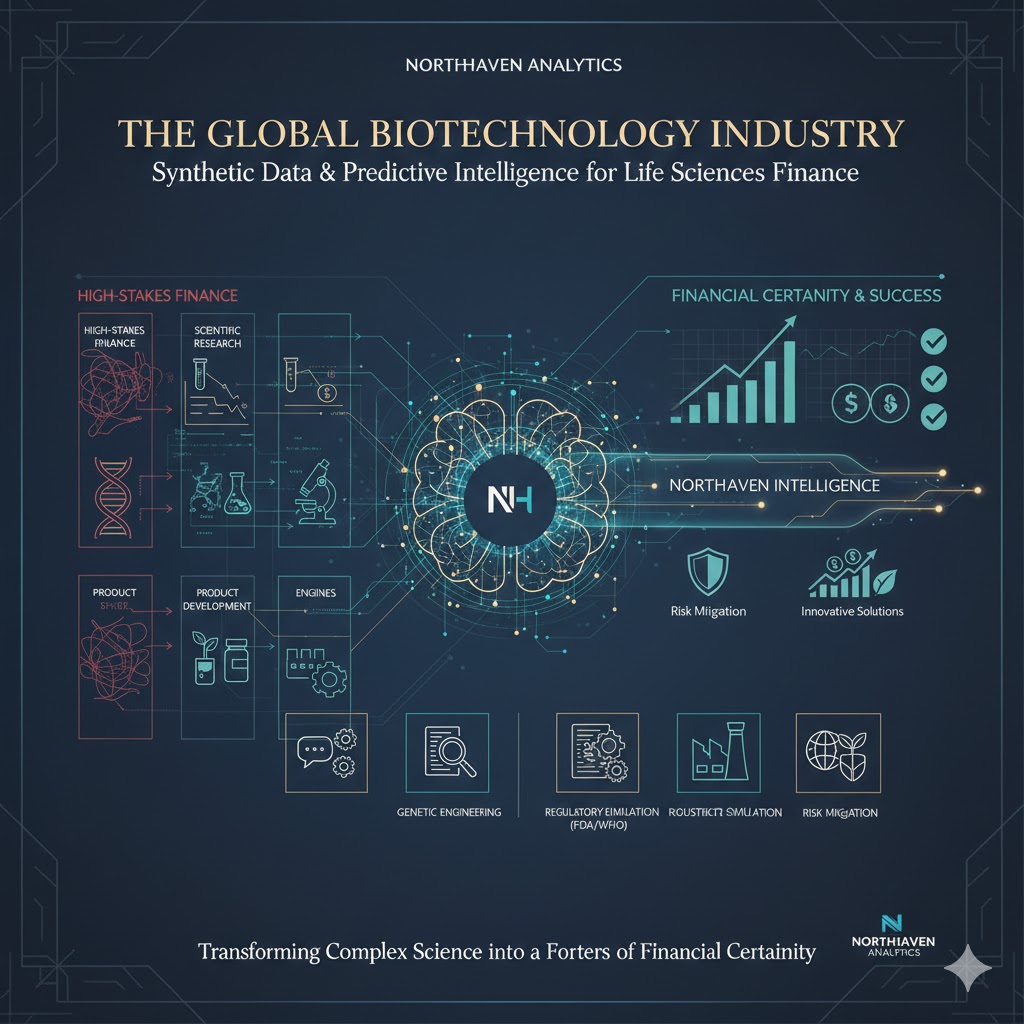

When modeling the total energy consumption of a nation, data quality is paramount. Institutions historically rely on the international energy agency (IEA), the energy information administration (EIA) in the u.s, and reports like the statistical review of world energy (now the energy institute statistical review). While these data sources provide a solid macro view of total energy and primary energy usage, they represent highly aggregated, historical energy reviewdata. They do not provide the granular, real-time tick data required to train a high-frequency trading bot or a dynamic credit risk model.
Northhaven bridges this massive gap. We take the macro trends regarding total renewable growth and the amount of electricity projected by the department of energy (e.g., tracking carbon dioxide, department of energy models, and greenhouse gas emissions targets), and we use Generative AI to create highly granular, synthetic datasets. If the global climate goals dictate a massive shift in energy consumption, our synthetic data engines simulate the exact, minute-by-minute energy generated by millions of hypothetical renewable energy systems across the globe.
Overcoming Intermittent Wind and Solar Power with Large-Scale Energy Storage and Advancements in Renewable Energy Technologies
One of the greatest financial risks in using renewable sources is volatility. Unlike a fossil fuel plant that can generate a fixed amount of energy on demand, solar generation and wind power and solar farms suffer from intermittent wind and solar power. The sun doesn’t always shine, and the wind doesn’t always blow.
To model this accurately, Northhaven’s custom ML models incorporate the latest advancements in renewable energy technologies, specifically the integration of large-scale energy storage (industrial battery parks). By synthesizing massive datasets that combine weather pattern volatility with renewable electricity capacity and battery discharge rates, we allow financial institutions to perfectly hedge their investments against grid instability. This is how we transform unpredictable renewable energy resources into highly predictable financial assets.
Northhaven Analytics Use Cases: Using Synthetic Data and Custom ML Models for Renewable Energy Development
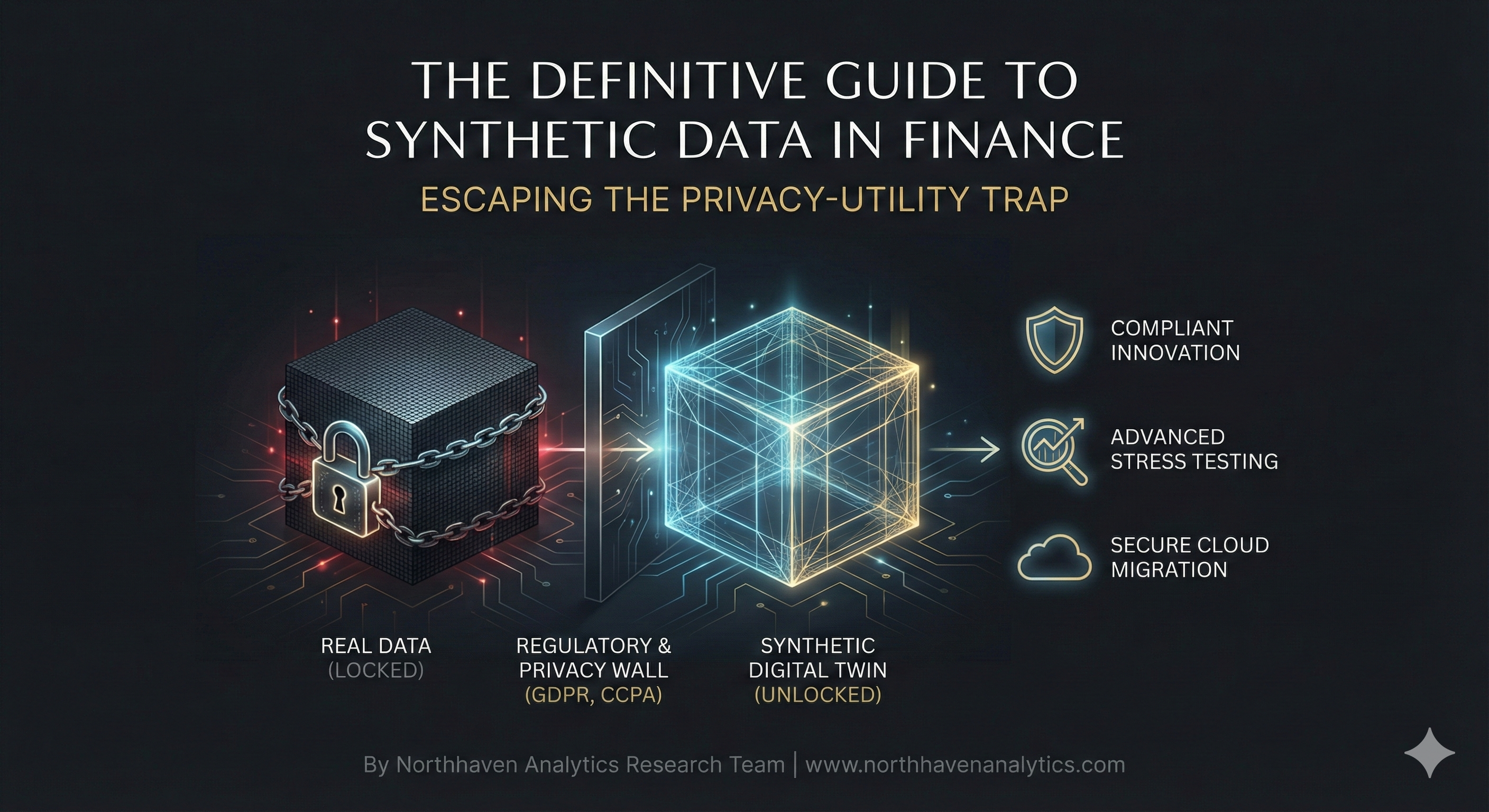
The theoretical application of renewable technologies is one thing; financing their deployment at a global scale is another. Here is exactly how elite financial institutions leverage Northhaven Analytics to dominate the clean energy transition and manage their renewable energy consumption portfolios:
Use Case 1: Project Finance Risk Modeling for Wind Farm and Solar and Wind Generation Projects
When a private equity firm is evaluating a multi-billion-dollar investment to build the largest renewable wind farm off the coast of Scotland, they cannot afford a single miscalculation in renewable power capacity. Traditional models fail to account for hyper-localized weather anomalies. Northhaven provides highly specialized synthetic datasets that simulate 10,000 years of hypothetical weather patterns impacting that specific geographic coordinate. Our custom ML models evaluate the wind and solar generation potential, calculating the exact energy potential and expected electricity generation. This allows the fund to stress-test their financial models, ensuring the production of renewable energy will comfortably service their debt obligations regardless of how the climate and energy solutions market shifts.
Use Case 2: ESG Compliance, Greenhouse Gas Emissions, and Climate Change Mitigation
Financial institutions are under immense regulatory pressure to prove they are actively contributing to climate change mitigation and effectively funding the fight climate change movement. Regulators require strict accounting of energy and environment impact. Northhaven builds custom ML models that dynamically track and predict the reduction in greenhouse gas emissions achieved by a bank’s loan portfolio. By simulating the displacement of natural gas and coal with low-carbon energy and renewable electricity, we provide banks with the mathematically bulletproof synthetic data they need to satisfy auditors, stakeholders, and organizations like the center for climate and energy solutions.
Use Case 3: Optimizing the Energy Mix and Clean Energy Deployment in the U.S.
For hedge funds trading energy derivatives, understanding the evolving energy mix is crucial. Energy in the united states is undergoing a massive transformation. Funds need to predict the exact moment when renewable energy generation will outpace traditional sources of energy on the national grid. Northhaven’s synthetic data engines simulate the entire national grid infrastructure, modeling the rapid deployment of renewable assets. By forecasting the exact amount of solar hitting the grid during peak energy needs, our models allow quantitative traders to execute highly profitable arbitrage strategies based on the fluctuating price of renewable power.
The Future of Energy: Marine Energy, Biomass, and Renewable Resources

As the energy sector evolves, financial institutions must look beyond just solar and wind. Energy that can be harnessed from the ocean (marine energy), the heat of the earth (geothermal), and biological matter (biomass energy) represent the next massive wave of energy research and development.
Northhaven is already generating synthetic data for these highly experimental renewable resources. Because real-world data on deep-sea tidal generators or next-gen biofuel refineries is incredibly scarce, our synthetic data sources are often the only way for a bank to mathematically evaluate these energy projects. We are not just analyzing used renewable energy from the past; we are actively generating the financial blueprints for the future.
Conclusion: Dominating the Energy Sector with Northhaven Analytics
The mandate to aggressively fund renewable energy technologies and accelerate the clean energy transition is the defining financial challenge of our time. Renewable sources are undeniably the future of global energy production, but the financial risk associated with this transition is immense.
To safely deploy capital, institutions must accurately model energy efficiency, predict energy generation, and deeply understand the nuances of every form of energy. This cannot be done with outdated data from the energy information administration alone. It requires the deep-tech infrastructure of Northhaven Analytics.
By utilizing our unparalleled synthetic data generation capabilities and bespoke Machine Learning models, your financial institution can seamlessly navigate the complexities of renewable energy systems. Protect your capital from the volatility of intermittent wind and solar power, optimize your investments in large-scale energy storage, and lead the global market in climate change mitigation. The energy source of the future is renewable; the data source of the future is Northhaven.

