The Ultimate Guide to Private Debt Investing: Strategies, Loans, and Opportunities for the Private Debt Investor
Master Private Debt. Explore private credit, direct lending, and debt strategies. Learn why every investor is adding private debt to portfoli

By Northhaven Analytics Research Team
Introduction: The Rise of Private Capital and Private Debt Funds in Modern Finance
In the shifting landscape of global finance, a profound transformation is underway. As traditional banks retreat from lending due to regulatory capital constraints, a new powerhouse has emerged to fill the void: private debt. Once a niche corner of the market, private debt has exploded into a multi-trillion-dollar asset class, reshaping how private companies access capital and how an investor seeks yield.
For the sophisticated investor, understanding the private debt market is no longer optional; it is essential. Investor demand for private debt has surged as public debt markets face increased market volatility and yield compression. Private debt offers a compelling alternative: consistent income, lower correlation to public market fluctuations, and the potential for higher returns.
In this comprehensive guide, we will explore the ecosystem of private credit. We will dissect the various private debt strategies—from direct lending to distressed debt—analyze the nuances of loan structures, and examine how market and economic conditions influence investment decisions. Whether you are looking to invest in private assets or manage a private debt fund, this guide covers the entire spectrum of this dynamic asset class.
What is Private Debt? Defining the Private Credit Asset Class and Debt Financing

Private debt (often referred to as private credit) encompasses any debt financing provided by non-bank lenders to private companies. Unlike broadly syndicated loan markets or public corporate bonds, private debt assets are illiquid and not traded on public exchanges.
This asset class involves the negotiation of a loan directly between the private lenders (often private debt funds) and the borrower. This direct relationship allows for greater flexibility in structuring the financing to meet the specific needs of middle market companies.
Private Debt vs. Public Debt and Private Equity: A Comparison for the Investor
To understand private debt, one must contrast it with its neighbors in the capital stack:
- Public Debt: Bonds and loans traded on the public market. Private debt investors trade liquidity for a premium (the “illiquidity premium”), often receiving higher yields than investment grade public bonds.
- Private Equity: While private equity involves buying ownership (shares) in a company, private debt involves lending money to it. Debt and equity often work together; private equity funds (sponsors) frequently seek private debt to finance their leveraged buyouts (LBOs).
The private market has grown because it serves borrowers who need certainty of execution that debt markets in the public sphere cannot always guarantee during periods of market volatility.
The Spectrum of Private Debt Strategies and Investment Opportunities
Private debt strategies are diverse. An investor must understand the risk-return profile of each sub-class to build a balanced private debt portfolio.
1. Direct Lending: The Core of Private Credit and Loans to Private Companies
Directly originated loans are the largest segment of the market. In this strategy, a private debt fund acts as the sole lender or part of a small “club” of lenders providing a loan to a middle market company. Direct lending has replaced banks as the primary source of financing for these businesses. The investor benefits from floating-rate coupons that offer protection against rising interest rates.
2. Mezzanine Debt: Subordinated Debt Bridging Senior Debt and Equity
Mezzanine debt sits between senior debt and equity in the capital structure. It is a hybrid instrument. Because it is subordinated debt (meaning it gets paid after senior lenders in a bankruptcy), it carries higher risk. To compensate, mezzanine debt offers higher coupon payments and often includes an “equity kicker” (warrants), allowing the debt investor to participate in the upside of the company.
3. Distressed Debt and Special Situations: Investing in Debt Obligations
Distressed debt involves purchasing the debt obligations of companies that are in financial trouble or nearing bankruptcy. Private debt managers in this space aim to take control of the company during restructuring or profit from the recovery of the debt asset price. This strategy requires deep expertise in bankruptcy law and market cycles.
4. Venture Debt: Financing Growth for Portfolio Companies
Venture debt provides loans to private companies that are early-stage and high-growth, typically backed by venture capital. It extends the runway for startups without the dilution associated with raising more equity.
5. Infrastructure Debt and Real Estate Debt: Private Market Assets
Infrastructure debt and real estate debt focus on financing physical assets. These are often long-term investment opportunities with stable cash flows. An investor in real estate debt might finance the construction of a building, while infrastructure debt might fund a toll road.
Loan Structures in the Capital Stack: From Senior Debt to Junior Debt

Understanding where a loan sits in the capital stack is critical for risk management. Loan structures determine the priority of payment.
Senior Debt vs. Subordinated Debt: Priority of Payment for the Debt Investor
- Senior Debt: This is the safest tranche. Senior debt holders are the first to be paid out of the company’s cash flows or assets. Most direct lending focuses on senior secured loans.
- Subordinated Debt (Junior Debt): Junior debt sits below senior debt. It is riskier but offers higher returns. Subordinated debt absorbs losses before senior lenders but after equity holders.
Unitranche Financing: Flexible Debt Solutions for the Middle Market
A popular innovation in private credit strategies is the unitranche facility. This combines senior debt and junior debt into a single loan instrument with a blended interest rate. It simplifies the financing process for the borrower, dealing with one lender instead of multiple classes of creditors.
The Ecosystem: Private Debt Managers, Private Funds, and Borrowers
The private debt market is driven by a complex ecosystem of players.
Private Debt Managers and Investment Vehicles: Structuring the Fund
Private debt managers raise capital from institutional investors (pension funds, insurance companies) and form private funds. These private debt funds deploy capital into portfolio companies. Business development companies (BDCs) are another vehicle, often publicly traded, that allows retail investors to access private credit investment.
The Role of Private Equity Sponsors in Leveraged Loans
Private equity plays a massive role. Private equity funds acquire companies and use private debt to leverage their returns. The relationship between the equity sponsor and the debt investor is symbiotic. A strong sponsor can support a company during difficult market conditions, protecting the lender.
The Borrower: Private Companies and Middle Market Financing
The primary borrowers are private companies in the middle market (typically with EBITDA between $10M and $100M). These companies prefer private lenders for the speed, flexibility, and confidentiality that debt offers.
Why Investors Demand Private Credit: Yield, Market Conditions, and Volatility

Investor demand for private debt assets has reached historical highs. Why?
1. Yield Enhancement: Private Debt Offers More Than Investment Grade Bonds
In a low-yield world, private debt offers significantly higher returns than investment grade public bonds or government securities. The investment yield is attractive to pension funds needing to meet liabilities.
2. Protection Against Market Volatility and Public Market Fluctuations
Private debt investing is generally less volatile than the public market. Because loans are not marked-to-market daily, private debt portfolios do not experience the wild swings seen in public debt markets or equities during market volatility.
3. Diversification: Private Investments in a Balanced Portfolio
Adding private credit to a portfolio provides diversification. Private investments often exhibit low correlation to the stock market, stabilizing the overall investment performance.
Risks in Private Debt Investing: What Every Investor Should Know
Despite the benefits, private debt is not without risk. An investor must conduct rigorous due diligence.
1. Credit Risk and Default: Assessing Loans to Private Companies
The primary risk is that the borrower fails to repay the loan. Private debt investors must assess the creditworthiness of portfolio companies meticulously. Unlike broadly syndicated loan market participants who rely on ratings, private lenders must do their own homework.
2. Illiquidity: The Lack of a Secondary Market for Private Debt Assets
Private debt is an illiquid asset. Once an investment is made, the investor is typically locked in for the duration of the fund (5-7 years). There is no active secondary market for these loans compared to public bonds.
3. Manager Selection: Evaluating Private Debt Funds across Market Cycles
The gap between top-tier and bottom-tier private debt managers is wide. Investment strategies vary, and selecting a manager with a proven track record across different market cycles is crucial.
4. Regulatory and Macro Risks: Economic Conditions and the Investment Company Act
Changes in market and economic conditions (e.g., rising interest rates) impact the ability of borrowers to service debt. Additionally, regulations like the Investment Company Act of 1940 govern the structure of certain investment vehicles like BDCs. The Alternative Credit Council works to represent the industry in these regulatory conversations.
How Northhaven Analytics Empower Private Debt Investors and Managers
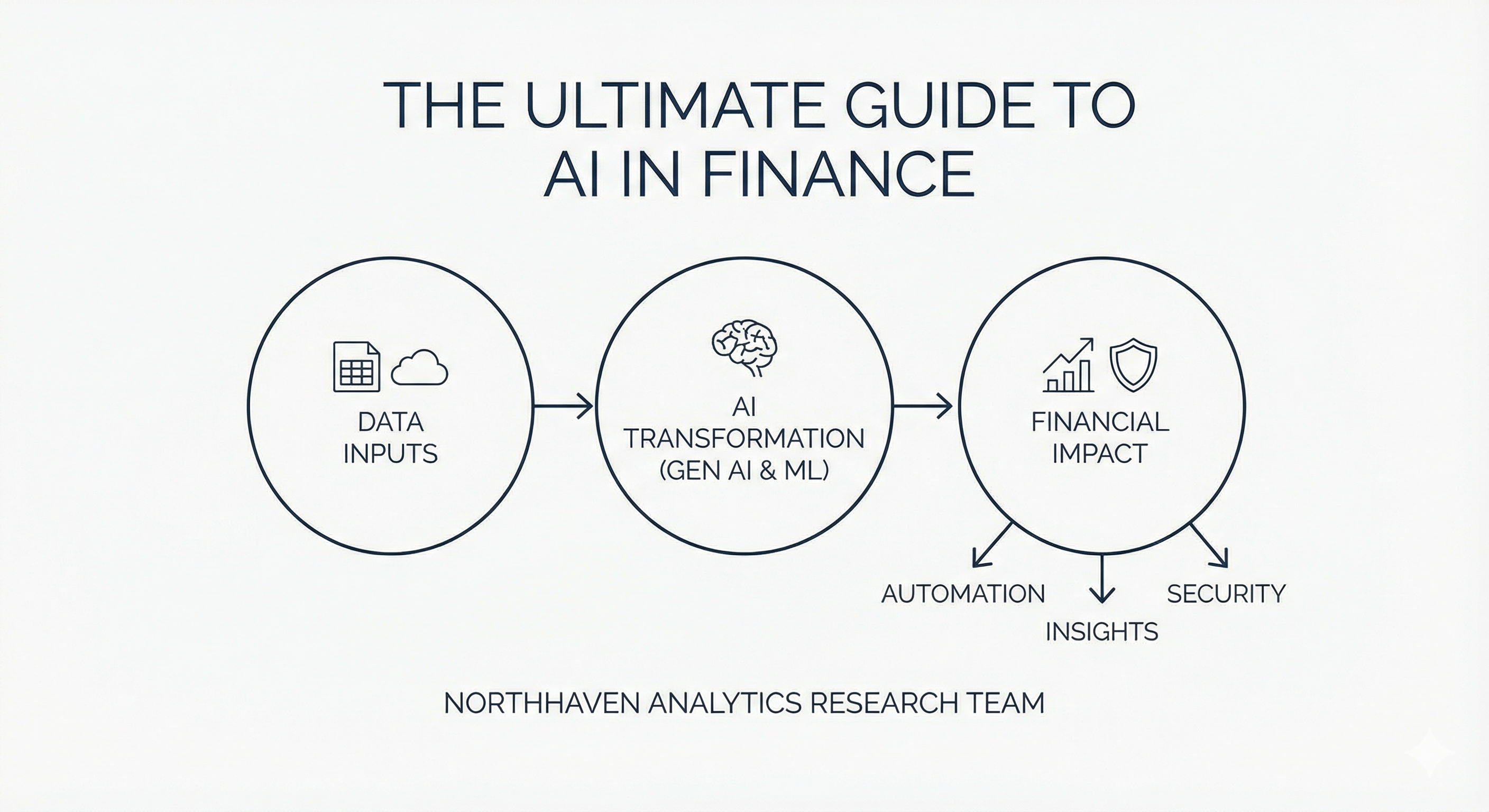
In such a complex market, data is the ultimate competitive advantage. Northhaven Analytics provides the infrastructure for the private debt market.
Synthetic Data for Risk Modeling and Stress Testing Debt Strategies
We allow private debt funds to generate synthetic financial data to model investment strategies. Our private debt platform capabilities enable managers to simulate how their loan portfolios would perform under extreme market volatility.
Enhancing Investment Decisions with Dedicated ML Models for Private Lenders
By using dedicated ML models, private lenders can predict default probabilities with greater accuracy. We help investor teams analyze tranches of debt, forecast cash flows for portfolio companies, and stress-test debt and equity valuations. Our technology bridges the data gap in the opaque private market.
Conclusion: The Future of the Private Debt Market and Private Credit
The private debt market is here to stay. It has matured into a structural component of the global financial system. As investor demand for private debt continues to grow, the asset class will evolve. We will see more specialized debt strategies, greater liquidity in the secondary market, and increased adoption of AI and data analytics.
For the investor, private debt represents a unique intersection of income, stability, and growth. However, success requires deep understanding. From structuring leveraged loan deals to navigating distressed debt scenarios, the debt investor of the future must be data-driven.
Private credit strategies are becoming more complex. Whether you are allocating to senior debt, mezzanine debt, or private credit funds, the key to navigating debt financing lies in superior analysis.
Ready to upgrade your investment analysis? Discover how Northhaven Analytics empowers private debt investors with next-generation data infrastructure.