The Ultimate Guide to AI in Finance: How Artificial Intelligence is Transforming the Financial Services Industry
Discover how AI in finance is transforming the financial services industry. Explore benefits, generative AI, artificial intelligence banking

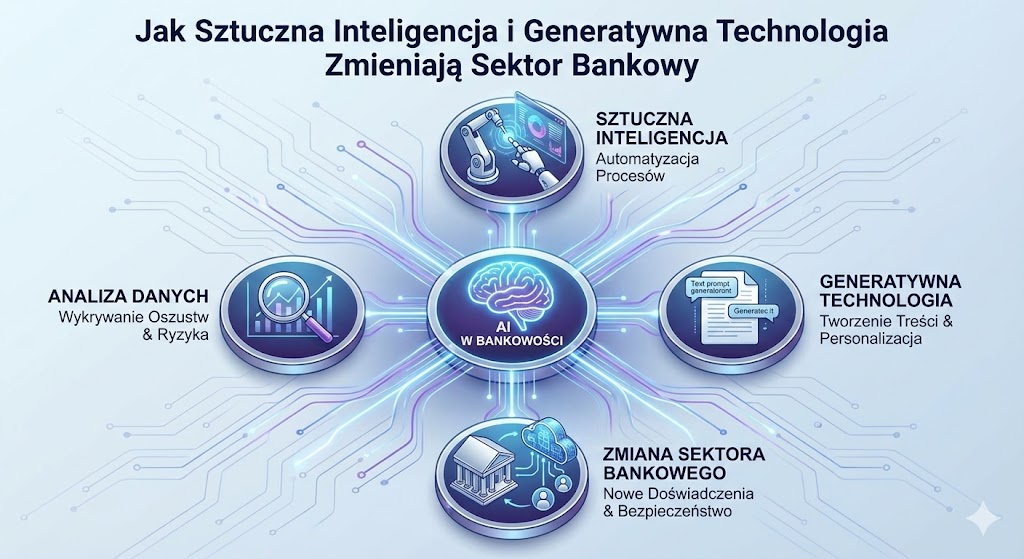
The financial world stands on the precipice of a revolution. AI in finance is no longer a futuristic concept discussed only in a business school classroom; it is the operational reality for leading financial institutions globally. From Wall Street hedge funds to Main Street retail banks, artificial intelligence is redefining how money moves, how risk is assessed, and how finance professionals operate daily.
Artificial intelligence is transforming the landscape at an unprecedented pace. The adoption of ai has moved beyond simple automation to advanced, data-driven decision-making processes. Finance leaders, CFOs and finance teams are under immense pressure to use ai to unlock value from vast amounts of financial data. AI technologies are reshaping the industry structure itself, creating a palpable divide between those who successfully implement ai initiatives and those who risk obsolescence.
In this definitive guide, we will explore the benefits of ai in finance, the meteoric rise of generative ai, and how ai tools are helping finance teams automate complex workflows and forecast with superhuman precision. We will delve into specific ai use cases ranging from fraud detection to scenario modeling, and examine how ai assistants and autonomous agents are set to shape the future of finance.
What is AI in Finance? Defining Artificial Intelligence in Financial Operations
To fully understand this technological revolution, we must define the core terms. While finance refers to the management of money, investments, and assets, artificial intelligence in finance refers to the strategic application of machine learning, deep learning, and natural language processing to optimize complex financial operations.
AI in finance involves the use of ai computer systems to perform tasks that historically required human cognition. This technology mimics human intelligence but operates at a scale and speed that humans cannot match. AI is used to analyze data, recognize patterns, make predictions, and execute transactions autonomously.
Artificial Intelligence and Machine Learning: The Core Technologies
The financial services industry relies heavily on the synergy between artificial intelligence and machine learning. While often used interchangeably, they are distinct but related concepts. Artificial intelligence is the broader concept of machines being able to carry out tasks in a way that we would consider “smart.”
Machine learning is a critical subset of ai that allows systems to learn from data without being explicitly programmed. AI and machine learning work together to create ai systems that improve over time. Within this ecosystem, deep learning (advanced neural networks) and natural language processing (NLP) allow ai algorithms can analyze unstructured data—like spoken words in customer calls or written reports—transforming them into actionable business intelligence.
AI and ML are converging to create powerful ai architectures. Advanced ai models can now process both structured and unstructured data to find market trends, consumer sentiments, and anomalies that were previously invisible to human analysts.
The Evolution of AI in the Financial Sector

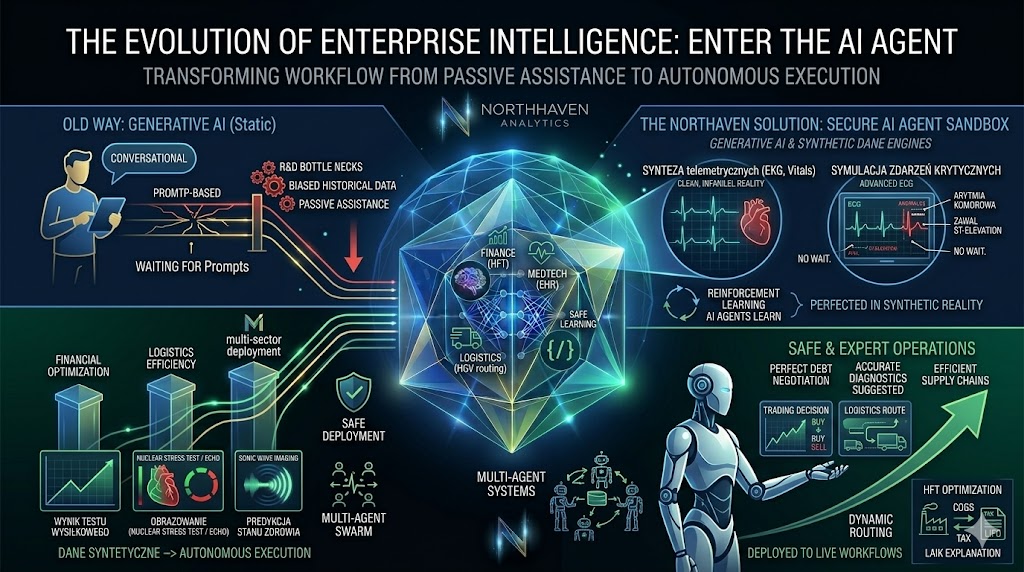
Historically, financial services relied on basic analytics, static spreadsheets, and manual review processes. Today, we are witnessing the development of ai moving swiftly towards gen ai and agentic workflows. AI is transforming the finance function from a retrospective reporting role into a predictive strategic engine.
AI is already making a massive impact across the sector. Many ai solutions are being deployed to solve specific pain points, but the future of ai lies in holistic integration across the enterprise. AI allows financial institutions to move away from manual data entry toward strategic data analysis and real-time decisioning. The generation of ai currently being deployed is more capable, faster, and more accurate than ever before.
The Rise of Generative AI in Financial Services
Generative ai (or Gen AI) represents a quantum leap in ai capabilities. Unlike traditional predictive models that simply forecast outcomes, generative ai creates new content. It allows finance teams to generate comprehensive reports, summarize dense regulatory documents, and even write code for complex financial models. Gen ai is transforming the financial services industry by automating the heavy lifting of documentation, communication, and creative problem-solving.
Top AI Use Cases and AI Applications in the Financial Services Industry
The applications of ai in this sector are vast and rapidly growing. AI use cases span every department, from the front office customer interactions to the back office reconciliation. Here are the top areas where ai is delivering value and examples of ai in action.
1. Fraud Detection and Anomaly Detection with AI Models
Fraud detection is perhaps the most critical area associated with ai in financial services. Traditional rule-based systems generate too many false positives and miss novel attacks. AI models, specifically deep learning networks, can analyze millions of transactions in real time to detect anomaly patterns that indicate theft, money laundering, or cyberattacks.
AI solutions drastically reduce risk and prevent significant financial losses. AI helps security teams stay ahead of sophisticated cyber threats by learning from new attack vectors instantly. AI analyzes transaction behaviors, location data, and device fingerprints to flag suspicious activities that a human would miss. AI could save the industry billions annually by blocking fraud before it settles.
2. Algorithmic Trading and Real-Time Market Analysis
AI is also dominant in the world of trading. AI solutions process market data milliseconds faster than human traders. Predictive analytics powered by ai and machine learning can forecast stock movements based on historical data, sentiment analysis, and macro-economic trends. AI algorithms can analyze news feeds, social media sentiment, and earnings calls to execute trades at the optimal microsecond.
Hedge funds leverage ai to find non-obvious correlations in the market, often referred to as “alpha.” AI is used to manage liquidity and execute large block trades without disrupting market prices.
3. AI in Customer Service: The Role of AI Assistants
Customer service is being revolutionized by conversational ai. AI assistants (intelligent chatbots) handle millions of customer queries daily. These ai tools improve customer experience by providing instant answers to banking questions, 24/7. Natural language understanding allows these bots to handle complex requests, such as “Why was my card declined?” or “Help me budget for a house,” freeing up human agents for high-value tasks. AI is transforming service into a personalized, always-on operation.
4. Risk Management and Compliance Automation
Risk management is the backbone of banking. AI can help banks assess credit risk more accurately by analyzing non-traditional data points like utility payments or rental history. Furthermore, compliance is a major burden for financial institutions. AI tools can scan legal documents and monitor transactions to ensure adherence to complex regulations (KYC/AML). AI helps finance teams avoid costly penalties by automating the compliance monitoring process and flagging violations instantly.
5. FP&A and Financial Planning
FP&A (Financial Planning and Analysis) is being revolutionized by ai technologies. AI can help finance teams forecast revenue and expenses with greater accuracy. Scenario modeling becomes dynamic, allowing CFOs and finance directors to test “what-if” scenarios instantly—such as the impact of inflation or supply chain shocks. AI adoption in FP&A reduces cycle times from weeks to minutes, enabling agile strategic planning.
Benefits of AI in Finance: Why Implementing AI is Crucial
The benefits of ai in finance are quantifiable and significant. Implementing ai is no longer optional; it is a competitive necessity for survival.
Efficiency and Automation
AI can automate workflows that used to take days. Automation of repetitive tasks—like invoice processing, data entry, and reconciliation—frees up finance professionals for strategic thinking. AI helps the finance function become lean, agile, and responsive.
Accuracy and Speed
AI models reduce human error in data analysis. AI to deliver precise forecasts is invaluable for capital allocation. Real time processing allows for faster decision-making in a high-frequency world. AI capabilities enable the processing of vast amounts of data that would overwhelm human teams.
Cost Reduction and Scalability
AI solutions lower operational costs by reducing the need for manual labor in back-office functions. Scaling ai across finance departments allows institutions to grow their customer base without linearly increasing headcount. AI is used to optimize resource allocation across the financial industry.
Challenges of AI Adoption in the Finance Industry
Despite the massive potential of ai, there are significant challenges of ai in finance that leaders must navigate.
Ethical AI and Governance of AI
Ethical ai is a major concern. AI systems can inherit bias from their training data, leading to unfair lending practices or discriminatory credit limits. Governance of ai is critical to ensure fairness. Finance leaders must ensure ai systems are explainable and transparent. AI raises concerns regarding accountability—if an ai model makes a bad trade or denies a loan unfairly, who is responsible?
Data Privacy and Security
Financial institutions deal with highly sensitive data. AI initiatives must prioritize security and data privacy. AI that understands privacy constraints is essential. AI across the financial sector must comply with strict regulations like GDPR and CCPA. AI helps protect data, but the systems themselves must be secure from adversarial attacks.
The Skills Gap
Finance professionals must be upskilled to work alongside machines. The use of ai in finance requires a workforce that understands ai technologies, data science, and model risk management. AI investment must include investment in people and training.
Conclusion: How AI Will Shape the Future of Finance
AI in finance is not a passing trend; it is a fundamental paradigm shift. AI is transforming every aspect of the finance industry. From generative ai drafting investment memos to autonomous agents managing complex portfolios, ai technologies are here to stay.
The future of ai in finance is agentic and autonomous. AI is already moving from passive analysis to active execution. AI embeds itself into the core of the financial system, becoming the central nervous system of modern banks. Finance departments that leverage ai will outperform those that do not.
To realize the potential of ai, organizations must overcome the challenges of ai and commit to strategic ai adoption. AI can help us navigate uncertainty and complexity in the global economy. Whether you are providing products and services or managing internal ai workflows, understanding ai for finance is the most valuable skill of the decade.
At Northhaven Analytics, we build the infrastructure that powers this future. We ensure ai systems have the high-fidelity synthetic data they need to learn, grow, and secure the financial world. AI helps finance evolve into a smarter, faster, and more inclusive industry.